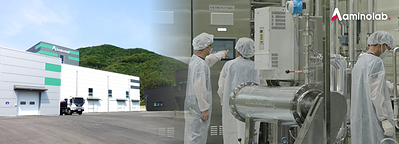
SEJONG, South Korea, Nov. 25, 2026 /PRNewswire/ — AMINOLAB, a biotechnology company specializing in enzymatic upcycling of slaughterhouse blood, is expanding internationally with amino acid biostimulants, functional feed additives and automated blood resource recovery systems. Its proprietary low-temperature whole-blood enzymatic hydrolysis process produces low-molecular-weight peptides and free amino acids designed to improve nutrient uptake in crops and digestibility in livestock and aquatic species.

AMINOLAB Expands Globally with Amino Acid Biostimulants, Feed Additives and Blood Upcycling Technology
For agricultural applications, AMINOLAB combines whole-blood hydrolysates with plant-derived amino acids tailored to specific crops and uses. The resulting 100% water-soluble formulations contain low-molecular-weight peptides and active L-amino acids, supporting crop metabolism from sowing through harvest. They help crops respond to drought, heat, cold and salinity by supporting osmotic regulation and antioxidant enzyme activity. Natural chelation facilitates uptake of calcium, magnesium, iron and zinc. According to AMINOLAB, field applications in Southeast Asian tropical agriculture and arid-region horticulture have demonstrated improvements in root development, flowering, fruit set, sugar content and yields.
For pigs, poultry, fish and shrimp, AMINOLAB’s functional feed additives supply pre-digested peptides produced through controlled, low-temperature hydrolysis. Unlike conventional fishmeal and meat-and-bone meal subjected to high-temperature processing, the technology is designed to preserve nutritional value and improve digestibility. The additives support intestinal health and nutrient absorption, particularly in young animals and aquatic species. Naturally occurring glutamic acid and alanine improve palatability, while the formulations aim to improve feed intake, growth, survival and feed conversion ratios (FCR). They also offer a potential alternative protein source to reduce reliance on fishmeal.
AMINOLAB also supplies turnkey blood recovery plants using enclosed, low-temperature enzymatic processing. By converting slaughterhouse blood, a major contributor to organic wastewater loads measured by biochemical oxygen demand (BOD) and chemical oxygen demand (COD), into usable resources, the systems address wastewater management and resource utilization. AMINOLAB reports that the technology prevents odors during processing and reduces wastewater pretreatment loads by more than 80%.
AMINOLAB currently exports finished biostimulants, feed additives and customized recovery systems to Vietnam, Indonesia, Thailand and Malaysia. Building on its Southeast Asian exports and product registration in Morocco, it is pursuing product registration and export discussions with local partners in Egypt and Japan. The company aims to promote sustainable agriculture, animal nutrition and the circular bioeconomy.